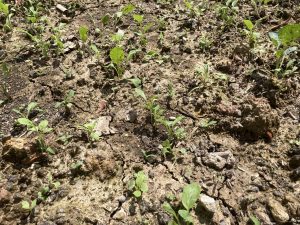
Degraded agricultural land with limited cultivation potential
Around the world, agricultural land scarcity is becoming an increasingly serious challenge.
This problem affects not only today’s food production but also the long-term sustainability of global food systems.
Several major factors contribute to the decline in available agricultural land.
Why Is Agricultural Land Becoming Scarce?
1. Urbanization and Habitat Loss
Rapid urbanization, industrial expansion, and infrastructure development reduce the amount of land available for agriculture.
Agricultural areas are often converted into residential, commercial, and industrial developments.
2. Infrastructure Development
Projects such as highways, airports, seaports, and other large construction developments can occupy valuable agricultural land.
3. Population Growth
As the global population increases, demand for agricultural products continues to rise.
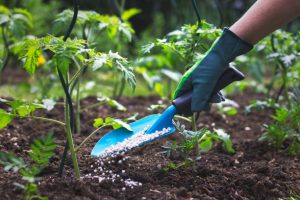
To meet this demand, some farming systems rely heavily on fertilizers, pesticides, and intensive cultivation methods.
Without proper management, these practices can contribute to soil degradation and environmental damage.
4. Climate Change
Rising temperatures, water shortages, and extreme weather events can reduce agricultural productivity.
Some areas may become less suitable for traditional cultivation.
5. Soil Degradation
Unsustainable land management, erosion, and declining soil fertility can reduce agricultural productivity.
Together, these challenges highlight the importance of developing alternative growing methods.
One promising solution is the use of coco peat as a growing medium.
Coco Peat – A Sustainable Growing Medium
Coco peat is a natural growing material obtained from coconut husks.
Its porous structure, moisture retention capacity, and aeration properties make it suitable for a wide range of agricultural applications.
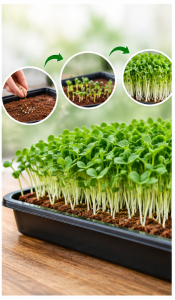
When properly processed and combined with appropriate nutrient management, coco peat can serve as an effective alternative to traditional soil in container cultivation and soilless growing systems.
Coco peat growing medium
Benefits of Using Coco Peat
1. Space Efficiency
Coco peat can be used in containers, rooftop gardens, greenhouses, and small cultivation areas.
This allows growers to produce crops without relying entirely on traditional agricultural land.
2. Reduced Pressure on Agricultural Land
Soilless cultivation systems using coco peat can reduce dependence on conventional farmland.
They also create opportunities for agricultural production in areas with unsuitable soil conditions.
3. Improved Growing Conditions
Coco peat provides a favorable balance of moisture retention and aeration.
These properties support root development and can contribute to healthy plant growth when water and nutrients are properly managed.
4. Crop Diversification
Coco peat can support the cultivation of many crops, including:
- Leafy vegetables
- Tomatoes
- Cucumbers
- Strawberries
- Flowers
- Seedlings
- Ornamental plants
Its versatility makes it suitable for both home gardening and commercial cultivation.
Supporting the Future of Sustainable Agriculture
The increasing demand for agricultural products requires more efficient and sustainable growing methods.
Coco peat provides an opportunity to use coconut-processing by-products while supporting modern cultivation systems.
At Tuff Vietnam, we understand the challenges facing agriculture and are committed to supporting more sustainable growing practices.
We continuously explore modern cultivation methods and improve our coco peat products to meet the needs of farmers and agricultural businesses.
Our mission goes beyond supplying growing media. We aim to contribute to the long-term development of Vietnamese agriculture.
If you are looking for reliable coco peat products at competitive prices, contact Tuff Vietnam for professional consultation.
Together, we can help build a more sustainable agricultural future.
Image source: iStock