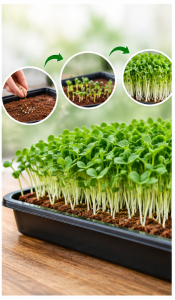
Are you looking for an effective and sustainable way to grow vegetables? Try growing vegetables with coco peat, an innovative and eco-friendly solution for your garden.
Using coco peat as a growing medium can help reduce costs, support healthy plant growth, and improve growing conditions. Let’s explore this cultivation method and its benefits.
1. Coco Peat – An Ideal Natural Growing Medium for Vegetables
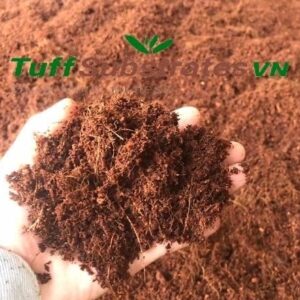
Coco peat is an abundant and readily available natural material. Using coco peat as a growing medium helps recycle coconut by-products, reduce waste, and protect the environment.
Additionally, coco peat offers excellent properties that support plant growth, including a loose and porous structure, good aeration, effective drainage, and high moisture retention.
2. Six Important Tips for Growing Vegetables with Coco Peat
Growing vegetables with coco peat is relatively simple and effective. However, to achieve the best results, growers should follow these six essential guidelines.
Tip 1: Choose Clean, High-Quality Coco Peat
Selecting properly processed coco peat that is free from harmful chemicals and pathogens is essential.
Whenever possible, purchase coco peat from reliable suppliers with appropriate quality control procedures.
Tip 2: Check Coco Peat Before Use
Before planting, check whether the coco peat has been properly washed and treated.
If you are unsure about its quality or preparation, contact Tuff Vietnam for technical guidance.
Tip 3: Choose a Suitable Growing Location
Select a growing area with sufficient natural light and good air circulation.
These conditions support healthy plant development and help prevent problems caused by excessive humidity.
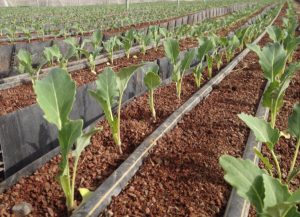
If necessary, use black plastic mulch around plants to maintain soil moisture and reduce weed growth.
Tip 4: Maintain Proper Moisture Levels
Coco peat has excellent water retention properties, but regular watering is still necessary.
Check the moisture level frequently and water when needed. Avoid allowing the growing medium to become completely dry or excessively waterlogged.
Tip 5: Provide Nutrients with Suitable Fertilizers
Coco peat naturally contains relatively low levels of plant nutrients, so additional fertilization is necessary.
When growing plants entirely in coco peat, water-soluble fertilizers are generally recommended.
If you use a mixture of coco peat and soil, consider adding organic fertilizers or compost to improve nutrient availability and support plant growth.
Tip 6: Control Pests, Diseases, and Weeds
Effective pest and disease management is important when growing vegetables with coco peat.
Use suitable preventive measures and environmentally friendly pest-control methods when appropriate.
Regularly remove weeds to prevent competition for water, nutrients, and growing space.
3. Benefits of Growing Vegetables with Coco Peat
- Environmental Protection: Using coco peat helps recycle coconut by-products, reduce agricultural waste, and conserve natural resources.
- Cost Savings: Coco peat is an accessible growing medium that can help reduce cultivation costs.
- Improved Growing Conditions: Its excellent aeration, moisture retention, and drainage properties support healthy root development.
- Enhanced Plant Growth: Coco peat provides a favorable root environment that can support plant growth and productivity when combined with proper nutrient management.
4. Conclusion
Growing Vegetables with Tuff Vietnam’s Compressed Coco Peat Blocks
Growing vegetables with coco peat is a practical and sustainable solution for home gardens and commercial cultivation.
By using coco peat as a growing medium, you can reduce costs, improve growing conditions, and contribute to environmental protection.
Try incorporating coco peat into your cultivation practices and experience its benefits for plant growth and productivity.
If you have any questions or need technical assistance, please contact Tuff Vietnam for further support.
Explore Tuff Vietnam’s compressed coco peat products here.