Fertilizing Tomato Plants
Fertilizing is an essential part of plant care. However, to ensure that plants absorb nutrients effectively and minimize fertilizer waste, there are several important factors that growers should consider.
So, how can you fertilize your plants properly and achieve better results? Let’s explore six useful tips with Tuff Vietnam!
1. Moisten the Soil Before Fertilizing
Before applying fertilizer, water the soil to ensure it is adequately moist. This helps the fertilizer dissolve gradually and allows nutrients to penetrate the soil more effectively.
Proper soil moisture can also help reduce nutrient loss. Some fertilizers, particularly nitrogen-based fertilizers, may lose nitrogen through volatilization under certain conditions, potentially contributing to environmental pollution.
For foliar fertilizers, gently rinse the leaves to remove dust and dirt, then allow excess water to drain before spraying, usually around 10–20 minutes.
Applying foliar fertilizer when the leaves are clean and conditions are suitable can help improve nutrient absorption. Avoid spraying when the leaves are excessively wet or during intense sunlight.
2. Avoid Excessive Watering Immediately After Fertilizing
After applying fertilizer, water lightly only if necessary to help dissolve the fertilizer and move nutrients into the soil.
Avoid excessive watering, as it may wash nutrients out of the pot or carry them beyond the plant’s root zone, reducing fertilizer efficiency.
Similarly, avoid spraying water onto plants immediately after applying foliar fertilizer. Doing so can wash away the nutrients before they have been properly absorbed.
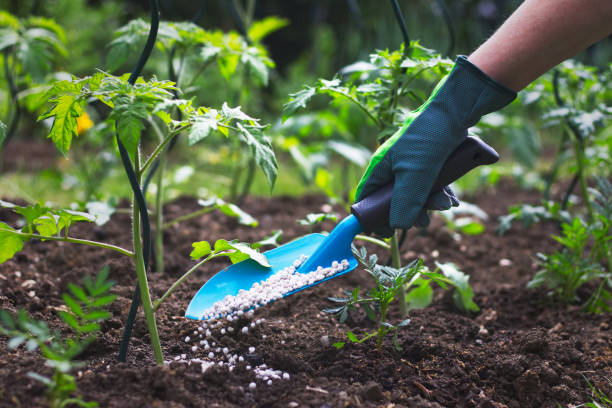
3. Do Not Apply Fertilizer Too Close to the Plant Stem
Avoid placing fertilizer directly against the base of the plant.
The appropriate distance depends on the plant species, growth stage, and root development. Applying fertilizer at a suitable distance helps roots absorb nutrients more effectively while reducing the risk of fertilizer damage to the stem and roots.
Avoid Applying Fertilizer Directly Against the Plant Stem
In many plants, nutrient-absorbing roots extend outward beneath the canopy. For plants grown directly in the ground, fertilizer can often be applied around the outer edge of the canopy, commonly known as the drip line.
For potted plants, a distance of approximately 3–5 cm from the stem may be suitable for some plants, depending on their size and the fertilizer being used.
4. Avoid Digging Too Deep When Applying Fertilizer
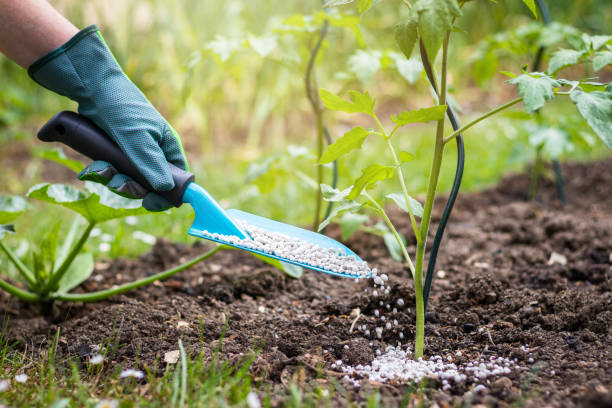
When using fertilizers that need to be incorporated into the soil, avoid digging too deeply, as this may damage the plant’s root system.
For granular fertilizers, gently loosen the topsoil, apply the recommended amount, and cover it with a thin layer of soil.
If using natural fertilizers made from materials such as eggs, bananas, or fish, take extra care when burying them to avoid disturbing the roots. These materials should also be properly processed or composted before use.
For potted plants, a simple method is to spread suitable fertilizer over the soil surface and cover it lightly with soil or growing medium.
This approach helps protect the root system while allowing nutrients to become available to the plant.
5. Choose the Right Time to Fertilize
When is the best time to fertilize plants?
Early morning or late afternoon is generally recommended because temperatures are cooler and sunlight is less intense.
Applying fertilizer during cooler periods can help reduce plant stress and, under certain conditions, minimize nutrient losses associated with high temperatures.
For plants grown outdoors or across large cultivation areas, fertilization schedules may vary depending on crop requirements and growing conditions.
For plants that require frequent feeding, applying fertilizer consistently in the early morning can be a practical approach.
Maintaining a regular fertilization schedule helps ensure a steady nutrient supply and supports healthy plant development.
Avoid waiting until plants show severe signs of nutrient deficiency before fertilizing. Likewise, avoid applying excessive amounts of fertilizer at once, as this can damage roots and disrupt nutrient balance.
6. Fertilize According to Each Plant’s Growth Stage
Different growth stages require different nutrient levels and fertilizer formulations.
To support healthy development, fertilizers should provide a balanced supply of essential nutrients based on the plant’s specific requirements.
Applying too little, too much, or the wrong type of fertilizer can cause nutrient imbalances and negatively affect plant growth.
For example, plants generally require adequate nitrogen during vegetative growth, while phosphorus and potassium play important roles in root development, flowering, and fruit production.
Understanding the nutritional needs of each growth stage helps growers select appropriate fertilizers and improve overall cultivation efficiency.
Conclusion
Proper fertilization is essential for maintaining healthy plants and achieving successful cultivation results.
By following these six practical tips, you can improve nutrient absorption, reduce fertilizer waste, protect plant roots, and support healthy plant growth.
Remember to adjust fertilizer types, application rates, and schedules according to your plants’ specific needs.
If you need additional advice or assistance, feel free to contact Tuff Vietnam. Our team is ready to help you find suitable solutions for your cultivation needs.