Opens in a new tab

Stay up to date with
HT Coco Coir

Insights, growing tips, and the latest updates from our team.
BACK TO NEWS
Oct 26, 2026 / Good TIPS, News

How to utilize coco peat after planting sprouts?

How to utilize coco peat after planting sprouts?

What do you usually do with coco peat after harvesting your microgreens?

Don’t throw it away just because it’s filled with leftover stems and tangled roots! Coco peat can be reused for several microgreen growing cycles or even for seed germination and other planting purposes.

Let’s explore how to properly reuse coco peat after harvesting microgreens!

After harvesting, you will notice many remaining stems on the surface of the growing medium. When you lift the coco peat layer, you’ll also see a dense network of white roots intertwined throughout the medium.
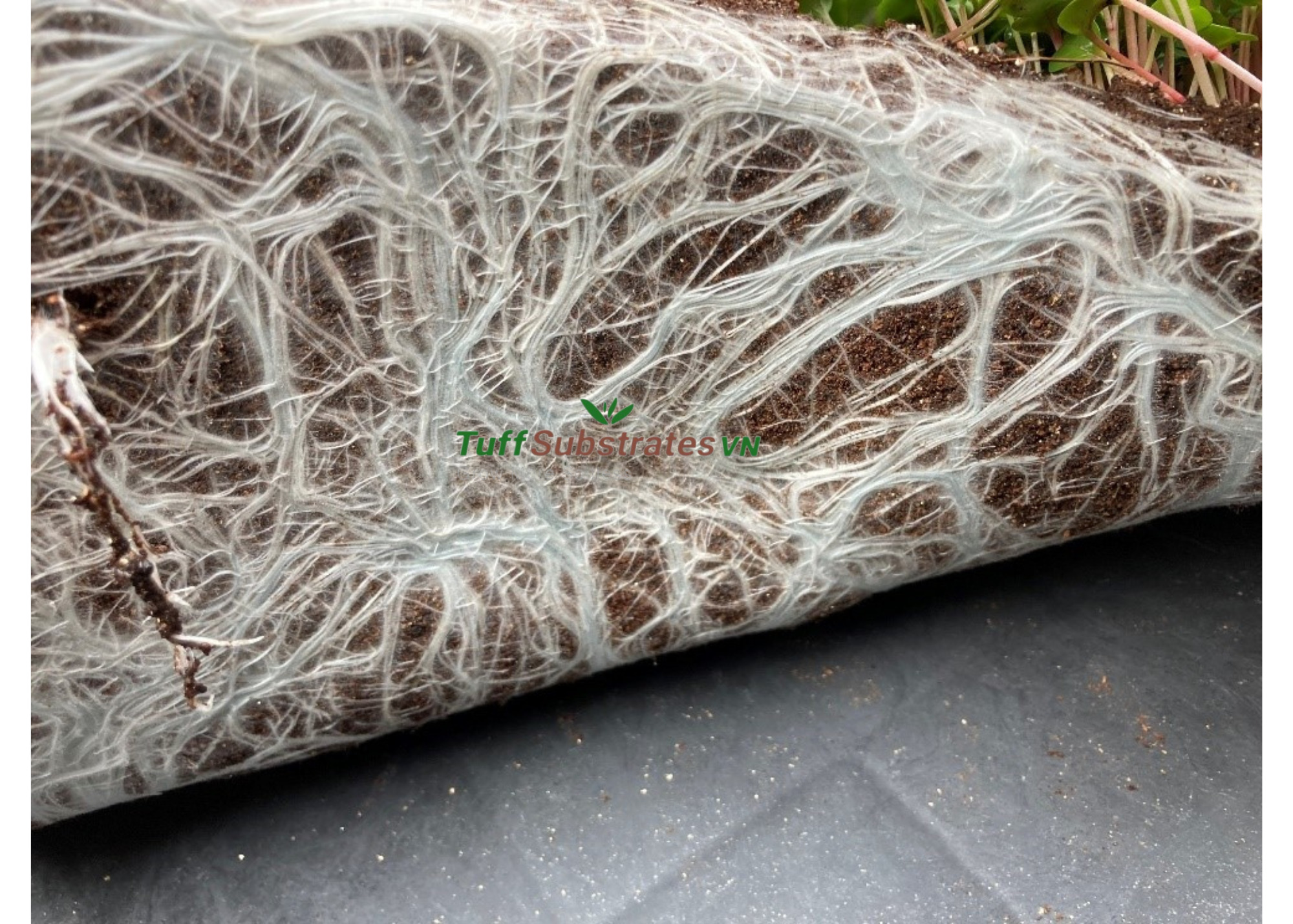
Microgreen roots at harvest time

1. Dry the Used Coco Peat

Spread the used coco peat under direct sunlight until the growing medium becomes dry.

As it dries, the remaining stems and roots will shrink and form clumps. Simply remove these dried clumps from the coco peat.

For microgreens grown from larger seeds, sift the growing medium to remove leftover roots and stems.

2. Treat the Growing Medium Before Reuse

If the previous crop was affected by disease, the used coco peat should be treated carefully before reuse.

The original method recommends thoroughly drying the growing medium under sunlight or soaking it in diluted limewater for approximately 24 hours.

After treatment, drain the coco peat and allow it to dry before reuse.

However, sunlight and limewater treatment alone may not eliminate all plant pathogens. If the previous crop suffered from a serious disease, replacing the growing medium is the safer option.

3. Compost with Trichoderma

For households or growers with sufficient space, another option is to compost the used coco peat with Trichoderma, a beneficial fungus commonly used in organic growing media.

The composting process generally takes around 14–21 days, depending on environmental conditions and the materials used.

The original method recommends maintaining a compost temperature of approximately 40–50°C, potentially reached after 7–10 days.

However, these temperatures do not guarantee complete pathogen elimination. Proper compost management and sufficient treatment time are essential, especially when reusing growing media from diseased plants.

4. Reuse the Coco Peat

Once the growing medium has been cleaned, treated appropriately, and prepared for planting, it can be reused for growing microgreens, germinating seeds, or cultivating other plants.

Reusing coco peat helps reduce growing medium waste and saves cultivation costs.

With proper care and preparation, you can make better use of your coco peat while supporting more sustainable gardening practices.
New post

DEMO – Agriculture 4.0 with Tuff Vietnam
Oct 26, 2026

DEMO – Agriculture 4.0 with Tuff Vietnam

Discover how Agriculture 4.0 combines smart farming technology, automated irrigation, and coco peat growing media to improve productivity and sustainability.
DEMO –  Growing medium: Coconut peat
Oct 26, 2026

DEMO – Growing medium: Coconut peat

Explore what coco peat is, its benefits and limitations, and how to choose the right coco peat, fiber, and coconut chip mixture for different crops.
DEMO – Coconut Pittings Substitute – 1 Solution for the Scale of Traditional Land Resources
Oct 26, 2026

DEMO – Coconut Pittings Substitute – 1 Solution for the Scale of Traditional Land Resources

Discover how coco peat offers a sustainable alternative to traditional soil, helping growers save space, improve root development, and support modern agriculture.
DEMO – Why is the soil compacted after rain?
Oct 26, 2026

DEMO – Why is the soil compacted after rain?

Learn why soil becomes compacted after heavy rainfall, how it affects plant roots, and practical ways to improve soil structure, drainage, and aeration.
8 Measures to Improve Rain Conditions “Flooding the Way Back and forth”
Oct 26, 2026

8 Measures to Improve Rain Conditions “Flooding the Way Back and forth”

Explore 8 practical ways to prevent flooding in vegetable gardens, improve soil drainage, protect crops, and reduce damage caused by heavy rainfall.
Off-Season Farming: Benefits and Challenges
Oct 26, 2026

Off-Season Farming: Benefits and Challenges

Discover the benefits and challenges of off-season farming, from increasing crop yields and income to managing costs, weather risks, and sustainable cultivation.
How to Grow Microgreens with Coco Peat at Home
Oct 26, 2026

How to Grow Microgreens with Coco Peat at Home

Learn how to grow fresh microgreens at home using coco peat, from preparing seeds and growing trays to sowing, watering, and harvesting.
Essential Preparation Steps for Growing Microgreens at Home
Oct 26, 2026

Essential Preparation Steps for Growing Microgreens at Home

Learn the essential steps for growing microgreens at home, including seed selection, growing methods, suitable trays, and choosing the right growing medium.
Techniques for Growing Vegetables with Coco Peat – 6 Important Tips
Oct 26, 2026

Techniques for Growing Vegetables with Coco Peat – 6 Important Tips

Discover 6 essential tips for growing vegetables with coco peat, from selecting quality growing media to proper watering, fertilization, and pest control.
6 TIPS OF FERTILIZER FOR MORE EFFECTIVE ABSORPTION BY PLANTS
Oct 26, 2026

6 TIPS OF FERTILIZER FOR MORE EFFECTIVE ABSORPTION BY PLANTS

Discover 6 essential fertilization tips to help plants absorb nutrients effectively, reduce fertilizer waste, and promote healthy growth.