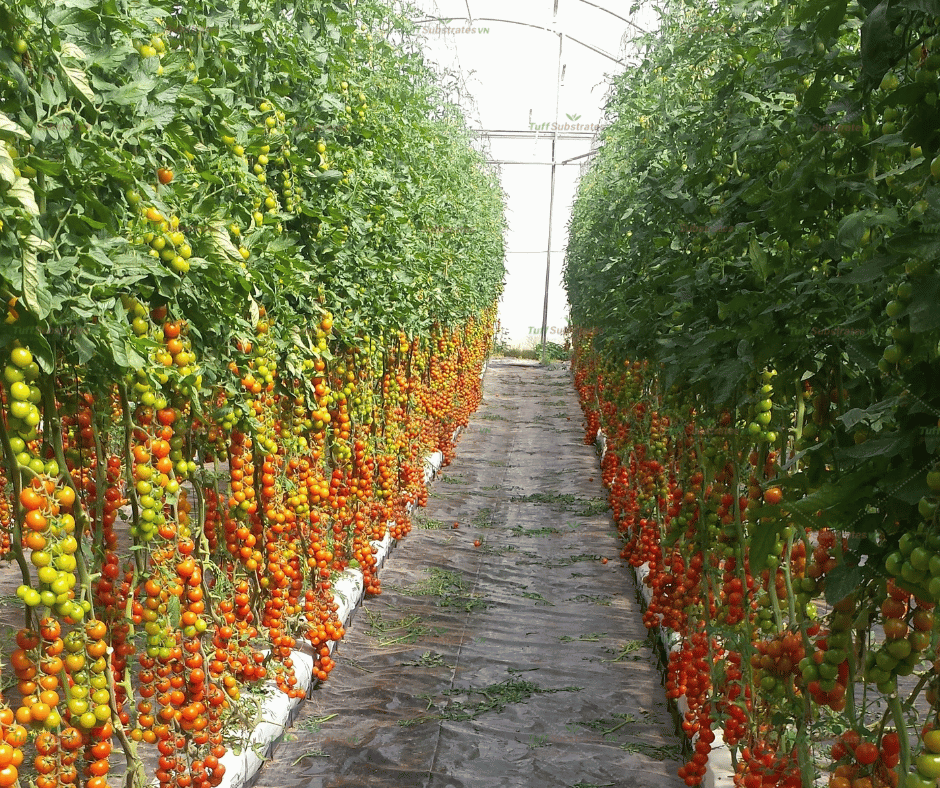
Successful off-season tomato cultivation using coco coir grow bags in a greenhouse
What Is Off-Season Farming?
Off-season farming refers to cultivating crops outside their traditional or most favorable growing seasons.
In agriculture, crops can generally be divided into seasonal and off-season crops. Off-season cultivation often requires advanced agricultural knowledge, suitable technologies, and careful environmental management to achieve high yields and maintain product quality.
Off-season farming has become an important part of modern agriculture. It allows farmers to maximize the use of agricultural land, equipment, and resources throughout the year rather than limiting production to traditional growing seasons.
Although this approach offers significant benefits, it also presents challenges that growers must carefully consider.
Benefits of Off-Season Farming
1. Increased Agricultural Production
One of the greatest advantages of off-season farming is the opportunity to increase annual agricultural production.
Instead of waiting for the main growing season, farmers can cultivate and harvest different crops throughout the year, helping maintain a more stable and diverse food supply.
2. Agricultural Economic Development
Off-season farming creates opportunities for farmers to increase their income and improve agricultural productivity.
By optimizing land use and available resources, farmers can improve production efficiency and reduce agricultural losses.
3. Crop Diversification
Off-season farming allows growers to experiment with new crops and diversify their agricultural products.
This can reduce dependence on a single crop and create opportunities to adapt to changing market demands and climate conditions.
4. Efficient Resource Utilization
With proper planning and modern irrigation systems, off-season cultivation can improve the efficiency of water, fertilizer, and other agricultural inputs.
However, actual resource savings depend on the crop, climate, and production system.
Challenges of Off-Season Farming
1. High Investment Costs
Off-season farming may require significant initial investments in irrigation systems, greenhouses, cultivation equipment, and post-harvest storage facilities.
It also requires more advanced technical management to maintain suitable growing conditions.
2. Increased Production Risks
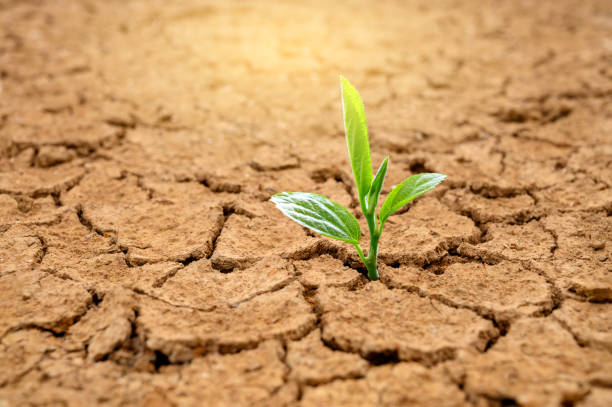
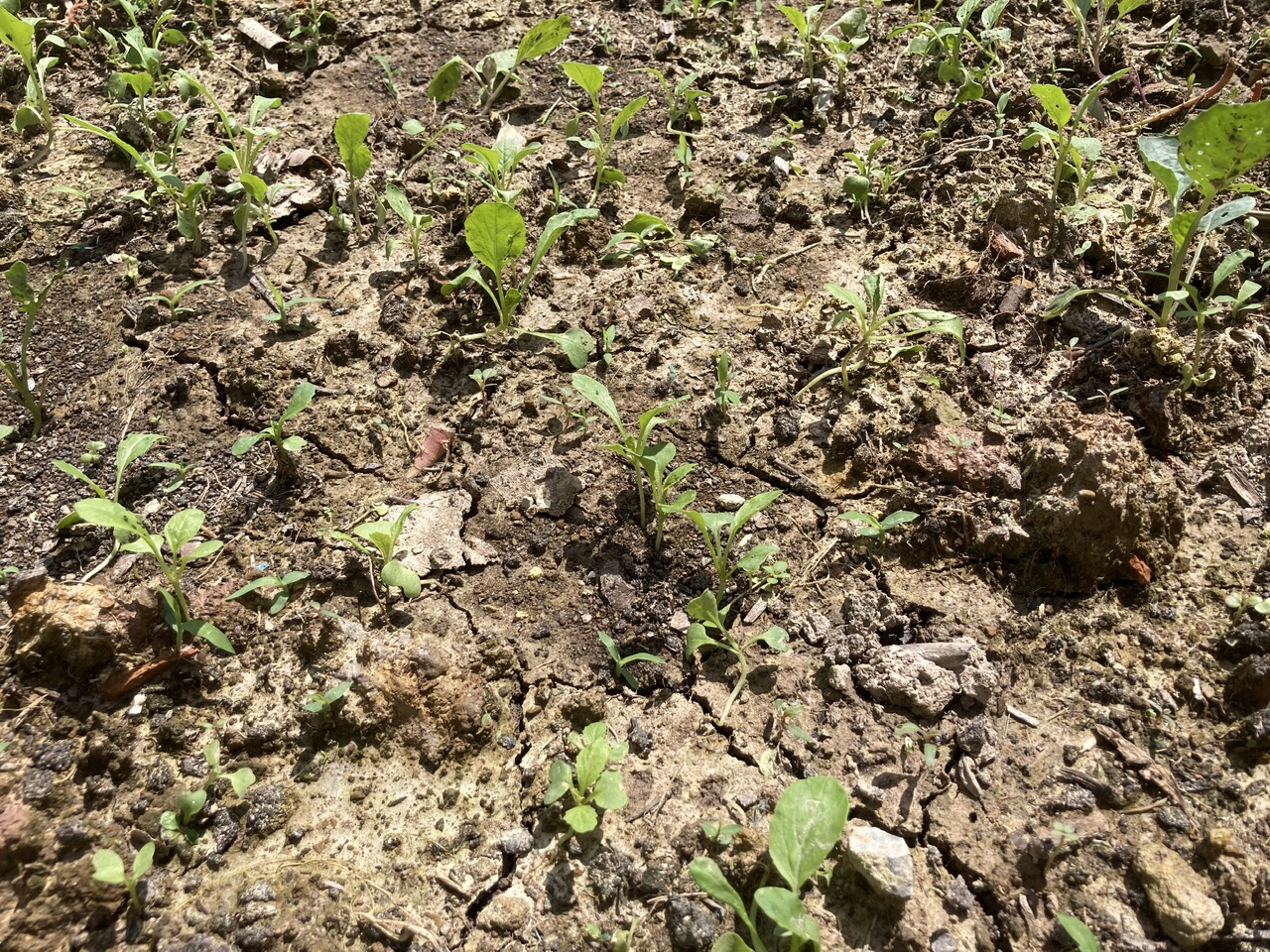
Crops grown outside their normal seasons may face unfavorable weather, pests, diseases, and natural disasters.
These conditions can increase production risks and potentially reduce yields.
3. Environmental Pressure
Off-season cultivation may require additional water, fertilizers, energy, and other resources.
Without proper management, these inputs can increase environmental pressure.
4. Climate Change
Climate change can alter weather patterns, temperatures, and rainfall distribution.
Farmers must continuously adapt their cultivation methods to maintain stable agricultural production.
How to Improve Off-Season Farming Efficiency
To achieve successful off-season cultivation, growers should consider the following measures:
- Select Suitable Crop Varieties: Choose varieties adapted to local conditions, with good disease resistance and high yield potential.
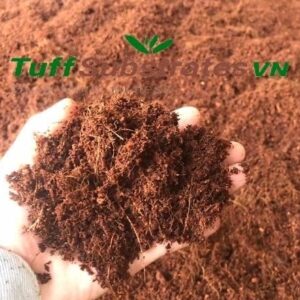
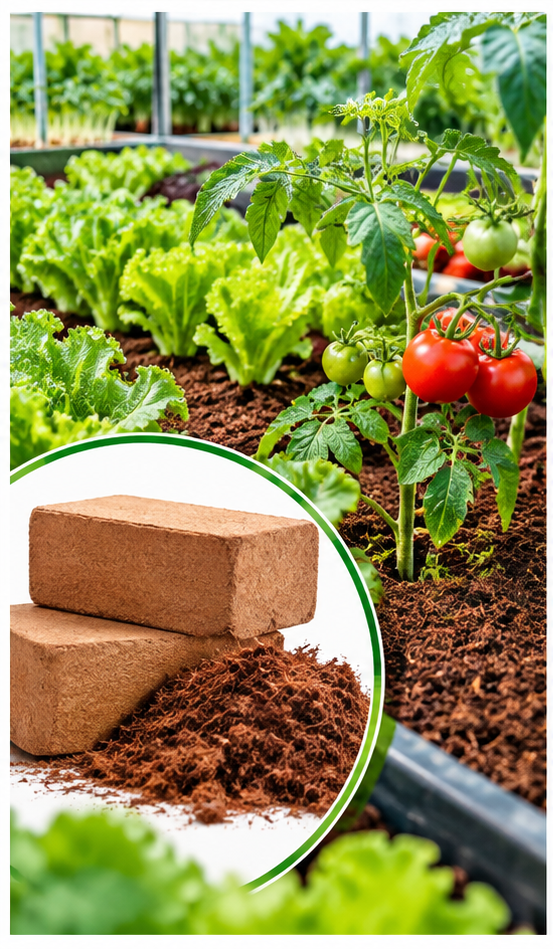
- Improve Soil Management: Enhance soil structure, moisture retention, and nutrient availability using organic materials such as coco peat, rice husks, compost, and vermicompost.
- Plan Cultivation Schedules: Develop appropriate planting and harvesting schedules to maximize production efficiency.
- Use Efficient Irrigation Systems: Apply drip irrigation or automated watering systems to maintain suitable moisture levels.
- Control Pests and Diseases: Implement regular pest monitoring and appropriate preventive measures.
- Apply Modern Agricultural Technology: Use agricultural machinery, monitoring devices, and greenhouse technology to improve productivity.
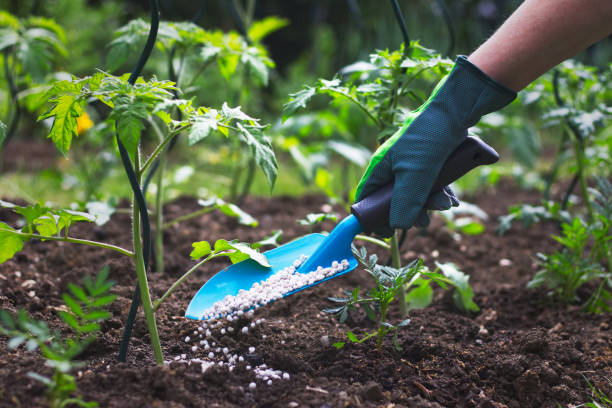
- Optimize Fertilizer Application: Adjust fertilizer types and quantities according to soil testing and crop requirements.
- Monitor Growing Conditions: Regularly observe crop development, weather changes, and environmental conditions.
- Improve Agricultural Knowledge: Stay informed about new cultivation techniques and modern agricultural practices.
Greenhouses and Coco Peat in Off-Season Farming
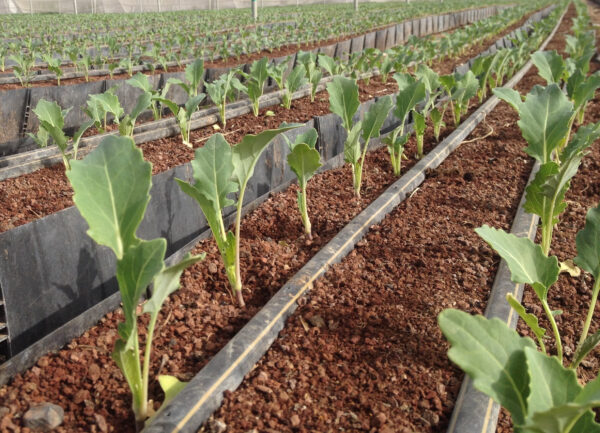
Greenhouses, net houses, and coco peat growing media are increasingly used to improve off-season cultivation.
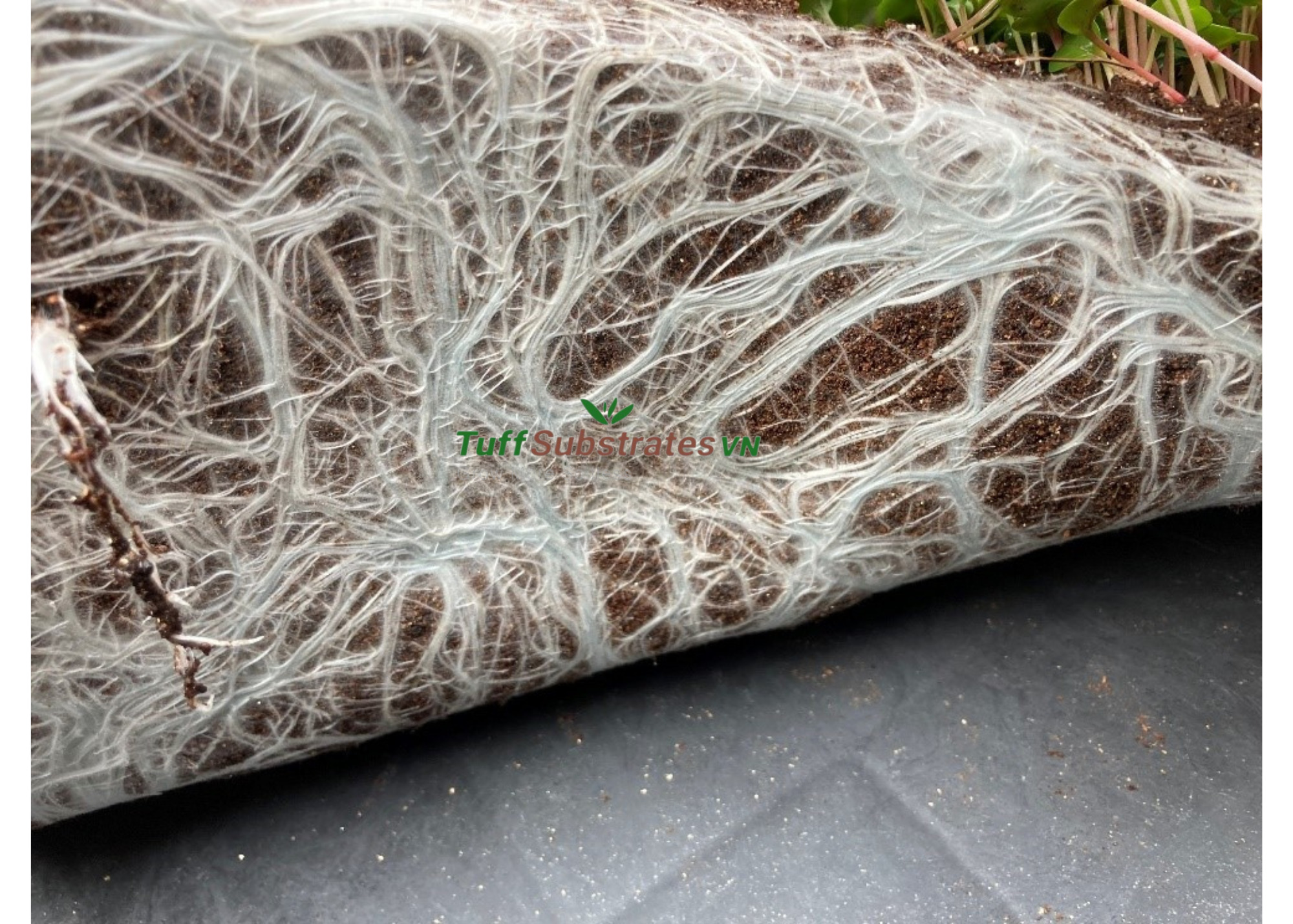
Coco peat provides excellent moisture retention, aeration, and root support, creating favorable conditions for plant development.
Greenhouses and net houses can also help protect crops from heavy rainfall, strong winds, and certain pest pressures while allowing better control of the growing environment.
Monitoring tomato plants with digital agricultural technology
Conclusion
Off-season farming can contribute to sustainable agricultural development while helping meet increasing market demand.
Improving off-season farming efficiency requires appropriate technology, effective resource management, and careful cultivation planning.
With the right techniques and growing media, farmers can improve productivity, reduce losses, and build more resilient agricultural systems.