
Heavy rainfall – Image source: iStock
How Can Farmers Protect Their Crops During Heavy Rainfall?
Every rainy season brings new concerns, not only for residents of major cities such as Hanoi and Ho Chi Minh City but also for farmers who depend on agriculture for their livelihoods.
Continuous rainfall, sometimes lasting several days, can cause severe flooding in agricultural areas.
For farmers, heavy rainfall is more than just an inconvenience. It can lead to waterlogged soil, damaged crops, nutrient loss, and reduced agricultural productivity.
Flooded vegetable fields during the autumn–winter growing season. Source: Dan Tri
So, how can growers reduce flooding and protect vegetable gardens after heavy rainfall?
Here are eight practical measures.
1. Build an Effective Drainage System
Create drainage channels that allow excess rainwater to flow away from vegetable gardens.
Depending on the growing area, this may involve installing drainage pipes, constructing ditches, or digging channels to prevent water from accumulating around plant roots.
2. Raise the Growing Area
If possible, elevate the growing surface to reduce the risk of waterlogging.
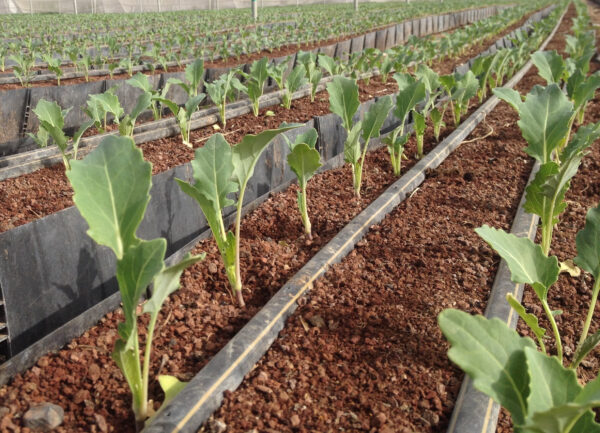
Raised beds, additional soil layers, or terraced planting areas can help improve drainage and protect crops during heavy rainfall.
3. Collect and Store Rainwater
Rainwater collection tanks and barrels can capture water from roofs and other collection surfaces.
Stored rainwater can later be used for irrigation during dry periods.
Although rainwater collection alone may not prevent field flooding, it can support more efficient water management.
4. Select Suitable Vegetable Varieties
Choose crops that are adapted to local soil and weather conditions.
Some vegetable varieties tolerate wet conditions better than others.
Selecting appropriate crops can reduce the risk of damage during prolonged rainfall.
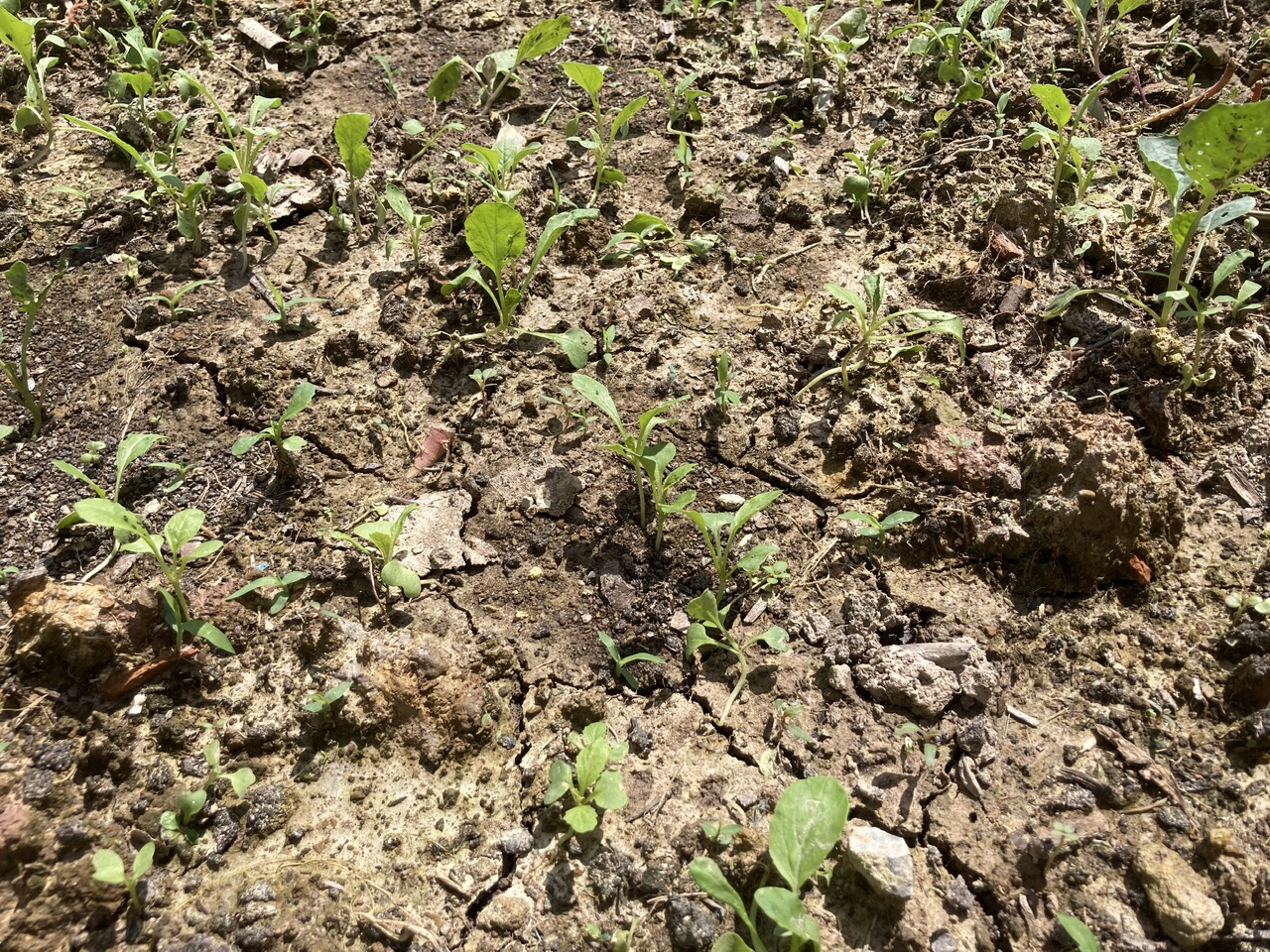
5. Improve Soil Structure
Soil composition plays an important role in drainage and water retention.
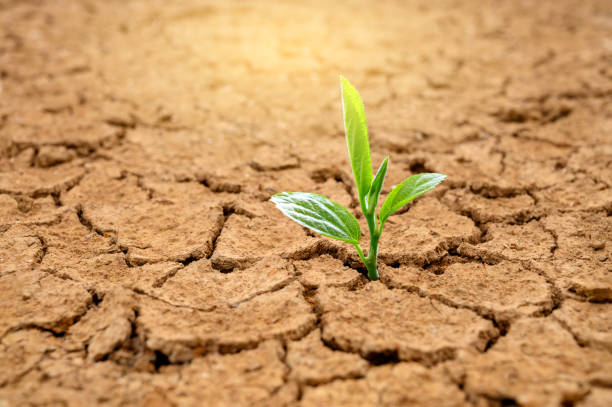
Heavy clay soils may retain excessive moisture and become compacted after rainfall, while sandy soils may drain too quickly and lose nutrients.
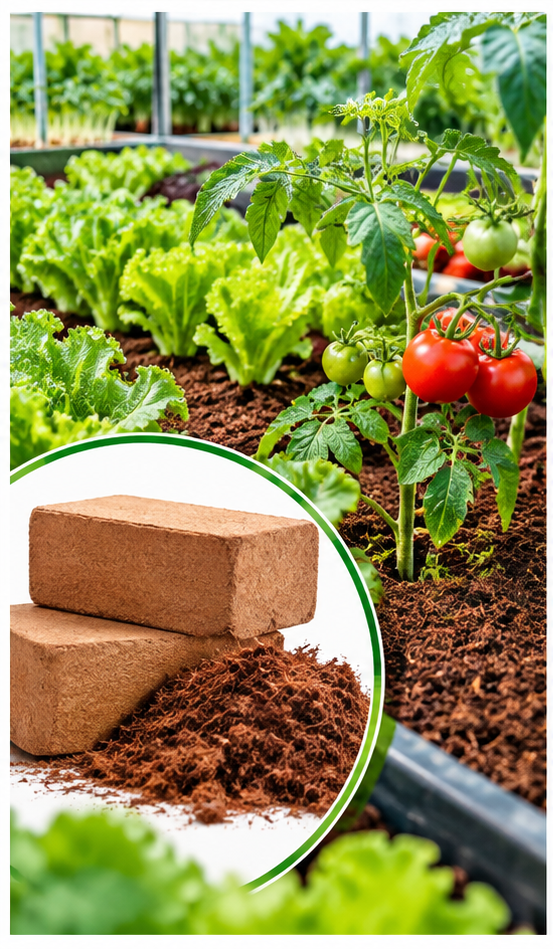
Adding suitable organic materials, such as compost, coco peat, or other soil amendments, can help improve soil structure and moisture management.
6. Apply Flood-Prevention Cultivation Techniques
Several cultivation techniques can help reduce flooding damage.
These include:
- Growing vegetables in raised beds
- Improving drainage around planting areas
- Using appropriate mulching materials
- Installing protective greenhouses or net houses
- Designing planting areas to direct excess water away from crops
The most suitable method depends on the location, crop type, and available budget.
7. Monitor Weather and Adjust Irrigation
Regularly check weather forecasts and adjust irrigation schedules accordingly.
Avoid unnecessary watering before expected heavy rainfall.
Monitoring soil moisture can also help prevent overwatering and reduce the risk of waterlogged roots.
8. Consult Agricultural Experts
If flooding occurs frequently or causes serious crop damage, consult agricultural specialists or irrigation engineers.
Professional guidance can help identify drainage problems and develop suitable solutions for your growing area.
Conclusion
Flood prevention measures should be adapted to local soil conditions, rainfall patterns, and crop requirements.
By combining effective drainage, soil improvement, suitable crop selection, and careful irrigation management, growers can reduce flooding damage and improve agricultural productivity.
For additional guidance on growing media and cultivation techniques, contact Tuff Vietnam.