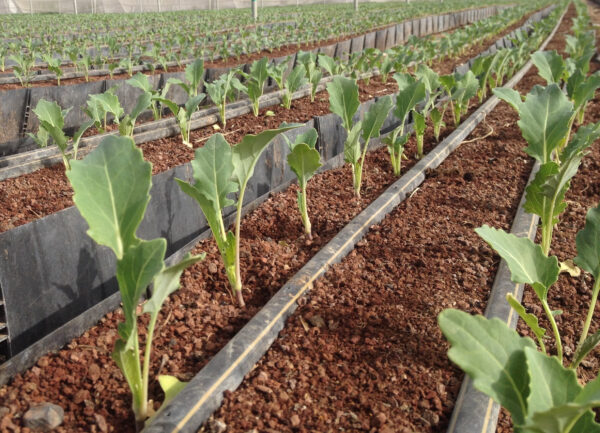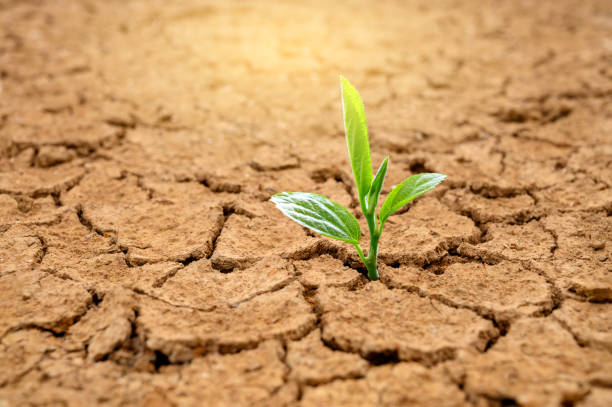
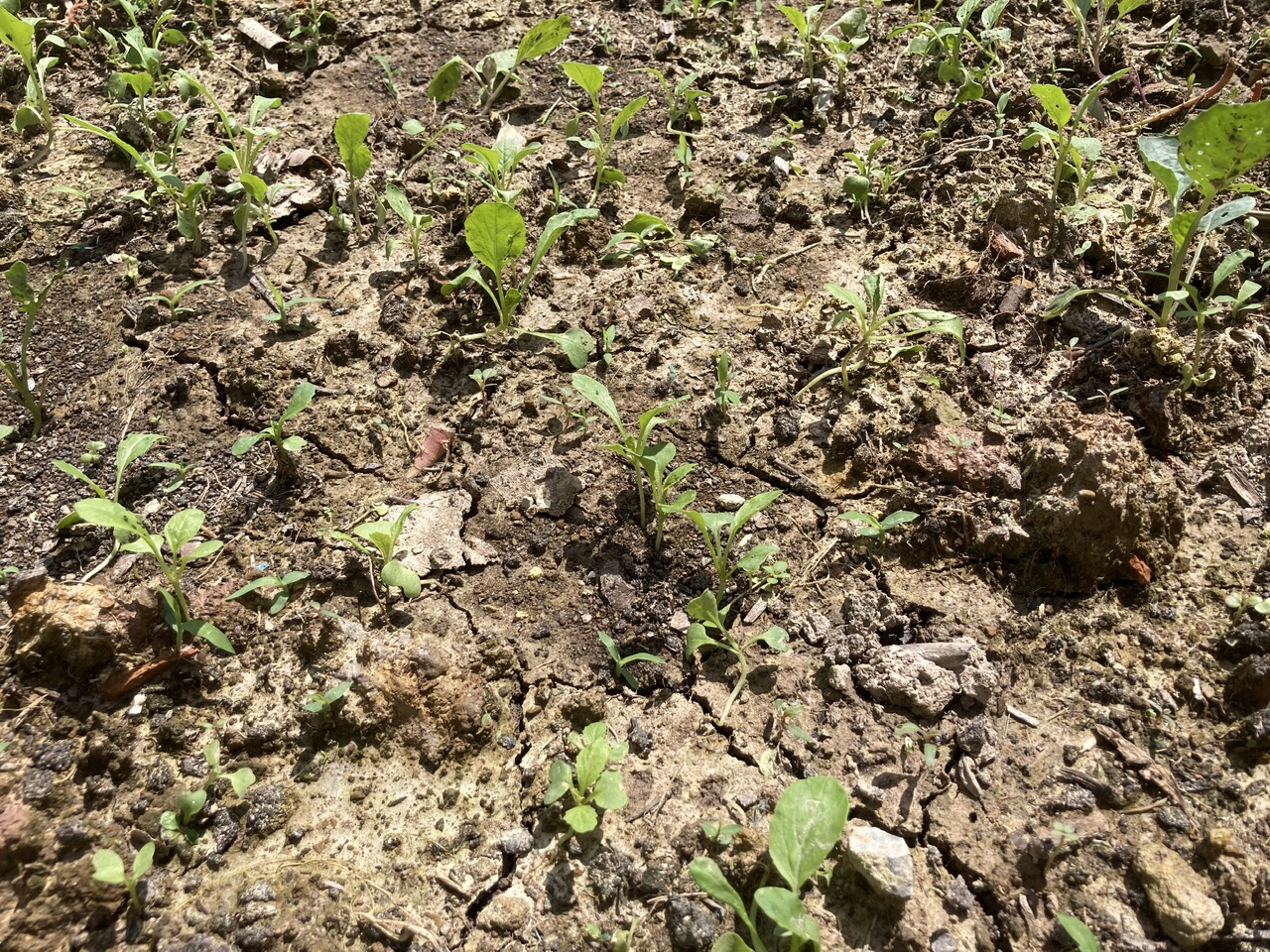
Compacted soil after rainfall can restrict root development and slow plant growth.
Have you ever noticed that the soil in your garden becomes hard and compacted after heavy rainfall, causing plants to grow slowly or appear unhealthy?
This phenomenon does not occur in every soil type or under all conditions.
It depends on several factors, including soil composition, clay content, rainfall intensity, and weather conditions after rain.
Signs of Soil Compaction After Rainfall
Common signs include:
- A smooth, hard crust forming on the soil surface
- Soil shrinking and developing cracks as it dries
- Reduced water infiltration
- Poor soil aeration
- Restricted root growth
- Slow or unhealthy plant development
These problems are particularly common in soils containing high proportions of fine particles, especially silt and clay.
To understand why this happens, we need to examine the role of soil colloids and soil structure.
What Are Soil Colloids?
Soil colloids are extremely small particles of clay and organic matter that play an important role in soil fertility and nutrient retention.
Because of their small size and large surface area, these particles can hold water and nutrients.
Clay-rich soils generally have a greater capacity to retain water and nutrients than sandy soils.
However, excessive clay content or poor soil structure may create drainage and aeration problems.
Sandy soils, on the other hand, usually drain more quickly but may have lower water and nutrient retention.
Problems Associated with Excessive Clay Content
1. Poor Drainage
Clay-rich soils often retain water for extended periods.
If drainage is insufficient, excess moisture can cause waterlogging and reduce oxygen availability around plant roots.
2. Difficult Soil Cultivation
Heavy clay soils can become sticky when wet and hard when dry.
This makes digging, tilling, and planting more difficult.
3. Restricted Root Development
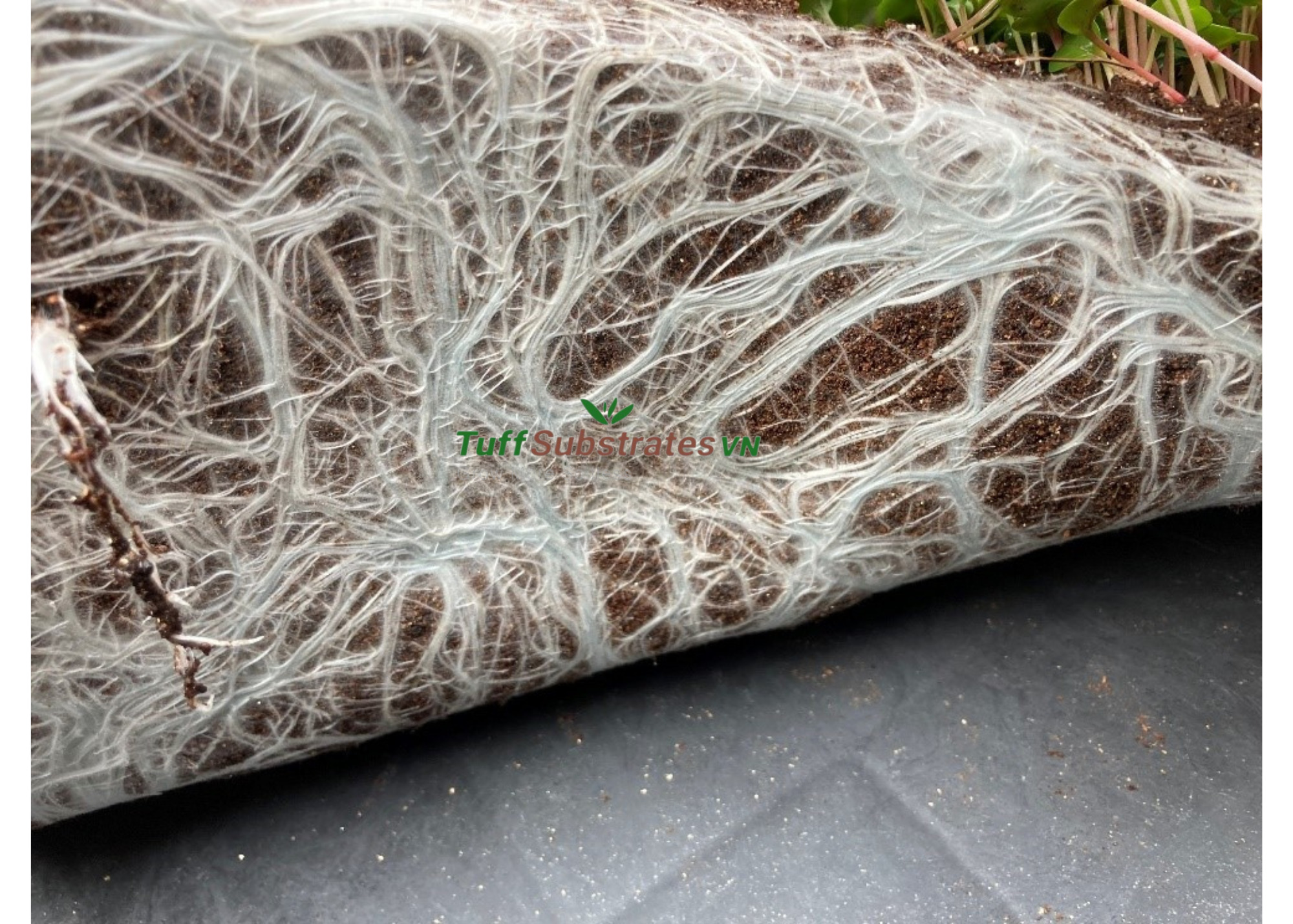
Compacted soil contains fewer large air spaces, limiting oxygen movement and making it harder for roots to expand.
As a result, plants may struggle to absorb water and nutrients effectively.
4. Increased Waterlogging Risk
During heavy rainfall, poorly structured soils may allow water to infiltrate slowly.
Standing water can damage plant roots and reduce crop productivity.
5. Reduced Agricultural Efficiency
Poor drainage and compaction can make agricultural management more difficult and increase cultivation costs.
Why Does Rainfall Cause Soil Surface Crusting?
When raindrops strike exposed soil, they can break apart soil aggregates and disperse fine particles.
These particles may settle into surface pores, creating a dense layer as the soil dries.
This process is known as soil surface crusting.
Surface crusting reduces water infiltration and air exchange, potentially affecting seed germination and root development.
The problem may become more severe in soils with poor organic matter content or unstable soil structure.
How to Improve Compacted Soil After Rain
1. Improve Soil Structure
Add suitable organic materials to improve soil aggregation and aeration.
Common amendments include:
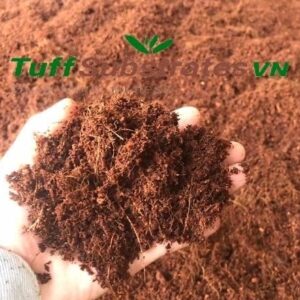
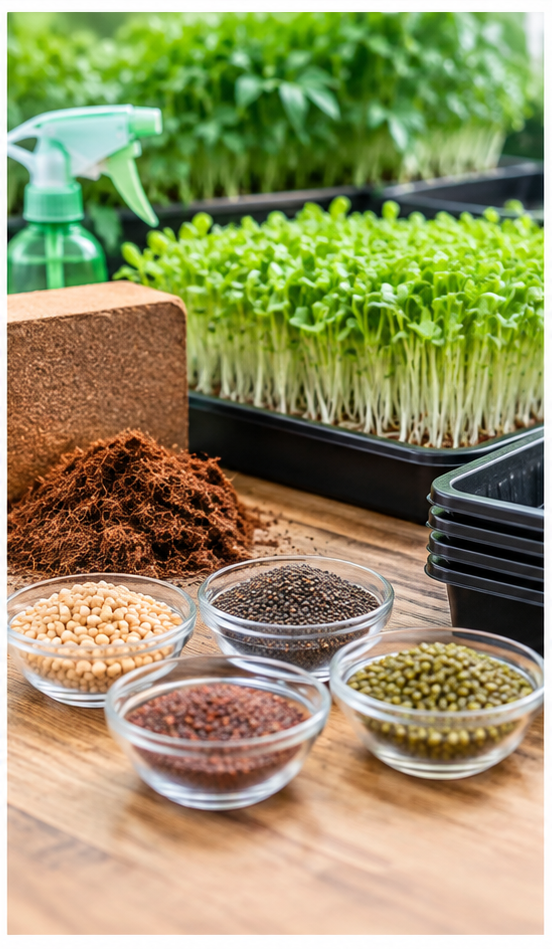
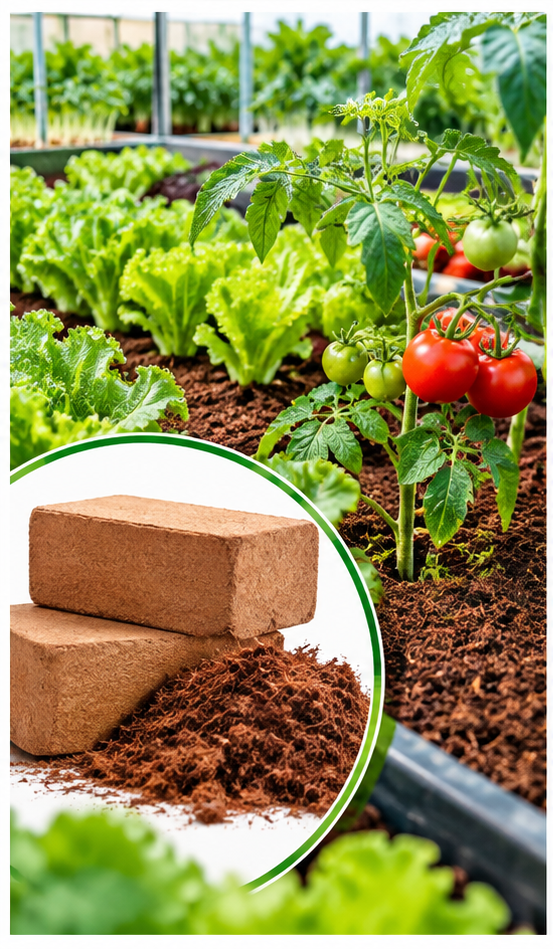
- Coco peat
- Chopped sugarcane residue
- Carbonized rice husks
- Vermicompost
- Well-decomposed organic compost
For heavy clay soils, amendment quantities should be determined according to soil conditions and cultivation requirements.
2. Loosen the Soil Surface
After rainfall, allow the soil to drain until it is workable.
Then gently loosen the surface crust to improve aeration and water infiltration.
Avoid deep cultivation near plant roots to prevent damage.
3. Maintain Effective Drainage
Proper drainage is essential for preventing prolonged waterlogging.
Use raised beds, drainage channels, or other suitable methods to remove excess water from planting areas.
Conclusion
Soil colloids are important components of agricultural soil, helping retain nutrients and moisture.
However, poor soil structure, excessive compaction, and inadequate drainage can negatively affect plant growth.
Different soil types require different improvement methods.
At Tuff Vietnam, our agricultural team provides guidance on improving soil structure using organic growing materials.
Contact Tuff Vietnam for assistance in selecting suitable soil amendments and growing media for your crops.