Coco peat is a familiar growing material among experienced farmers and gardeners.
However, many growers still have questions about what coco peat is, how to select high-quality products, its advantages and limitations, and how to choose the right mixture for different crops.
In this article, Tuff Vietnam explains everything you need to know about coco peat growing media.
What Is Coco Peat?
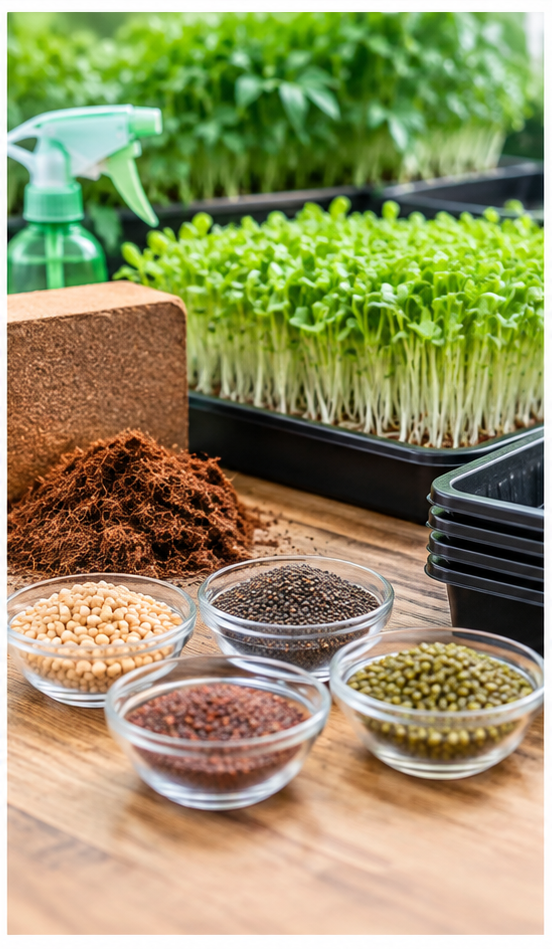
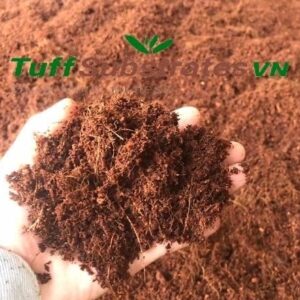
Coco peat, also known as coconut coir pith or coir dust, is a natural by-product obtained during coconut husk processing.
When coconut husks are processed, they produce three main materials:
- Coco peat
- Coconut coir fiber
- Coconut husk chips
Long coconut fibers are separated during processing, leaving behind fine coco peat particles and shorter fibers.
This mixture is commonly used as a growing medium in agriculture.
Freshly processed coco peat may contain soluble compounds, salts, and other substances that can affect plant development.
Therefore, washing, aging, and appropriate treatment are important steps in preparing high-quality coco peat for cultivation.
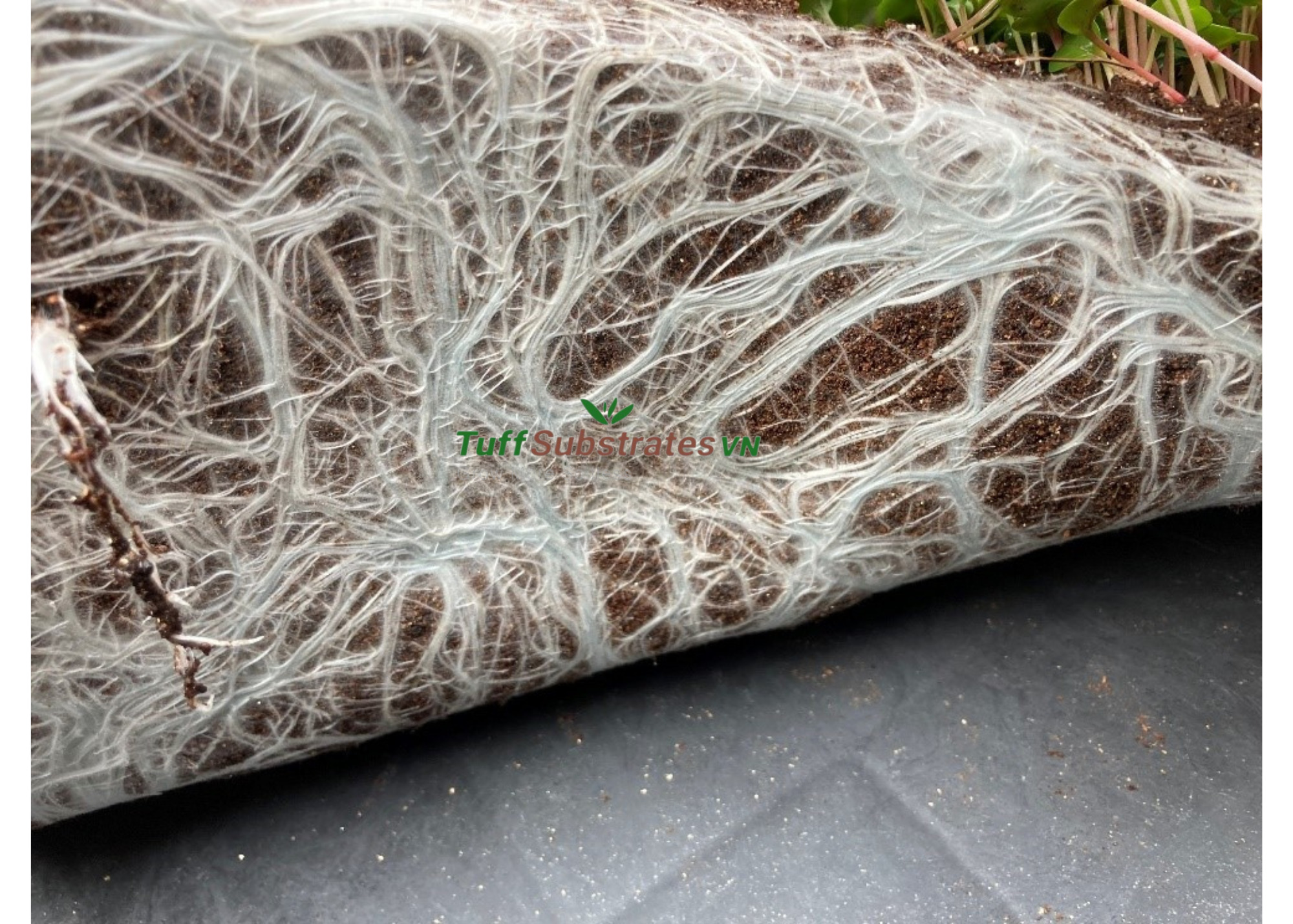
Properly processed coco peat provides more suitable conditions for root growth.
Coconut husks can also be cut into chips of different sizes.
These chips are commonly used for orchids or mixed with coco peat and fibers to improve drainage and aeration.
The appropriate chip size depends on the requirements of each crop.
Coco Peat
Coconut Coir Fiber
Coconut Husk Chips
Benefits of Coco Peat in Agriculture
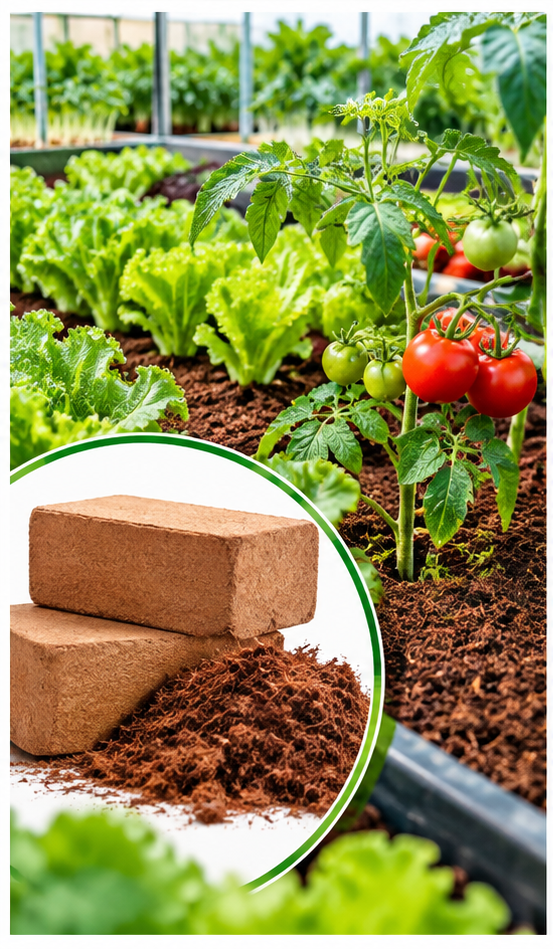
Coco peat is an effective growing medium that supports healthy root development and offers several advantages in modern agriculture.
1. Alternative to Traditional Soil
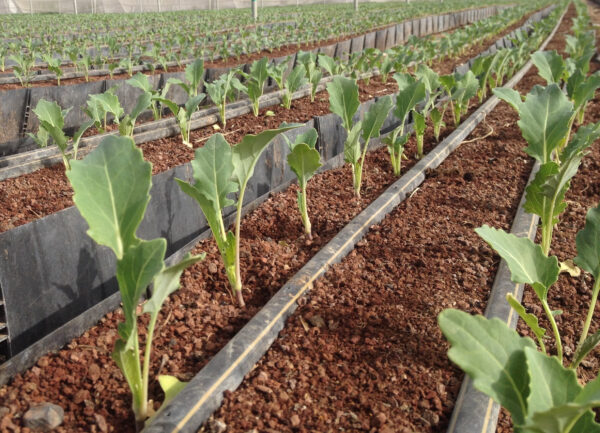
Coco peat can be used as a growing medium in soilless cultivation systems for many crops.
2. Soil Improvement
Adding coco peat to suitable soil mixtures can improve moisture retention, aeration, and soil structure.
3. Healthy Root Development
Its porous structure helps create favorable conditions for root growth and nutrient uptake.
4. Environmentally Friendly Material
Coco peat makes productive use of coconut husks, an agricultural by-product.
5. Reduced Handling and Labor
Compressed coco peat products are convenient to transport, store, and prepare for cultivation.
Limitations of Coco Peat
Although coco peat offers many benefits, it also has certain limitations.
Low Nutrient Content
Coco peat does not naturally contain all the essential nutrients required for plant development.
Therefore, regular nutrient supplementation is necessary, particularly in soilless cultivation.
Irrigation Management
Coco peat retains moisture effectively, but irrigation requirements depend on the growing medium composition, container size, crop type, and environmental conditions.
Growers without automated irrigation systems should monitor moisture levels carefully.
How to Choose the Right Coco Peat for Different Crops
Different crops have different root structures and growing requirements.
Coco peat growing media can be customized by adjusting the proportions of three main components:
- Coco peat
- Coconut coir fiber
- Coconut husk chips
Each component contributes different physical properties to the growing medium.
Combining them in suitable proportions helps create growing conditions appropriate for different crops.
Recommended Coco Peat Mixtures
Below are some commonly used coco peat mixture ratios recommended by Tuff Vietnam.
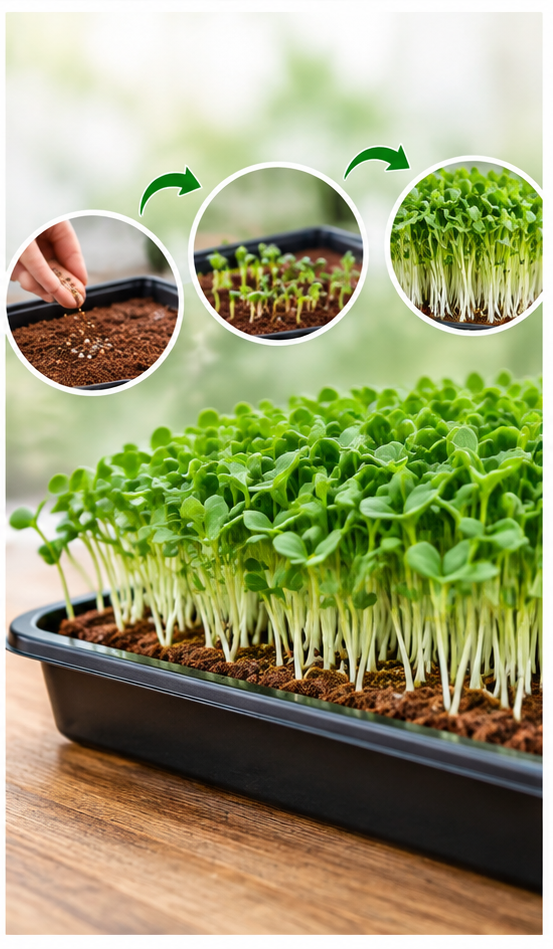
1. Microgreens
- 95% coco peat
- 5% short coconut fiber (less than 3 cm)
2. Seedling Production
- 95% coco peat + 5% coconut fiber
- Or 80% coco peat + 20% coconut fiber
3. Leafy Vegetables
- 70% coco peat + 30% coconut fiber
- Or 80% coco peat + 20% coconut fiber
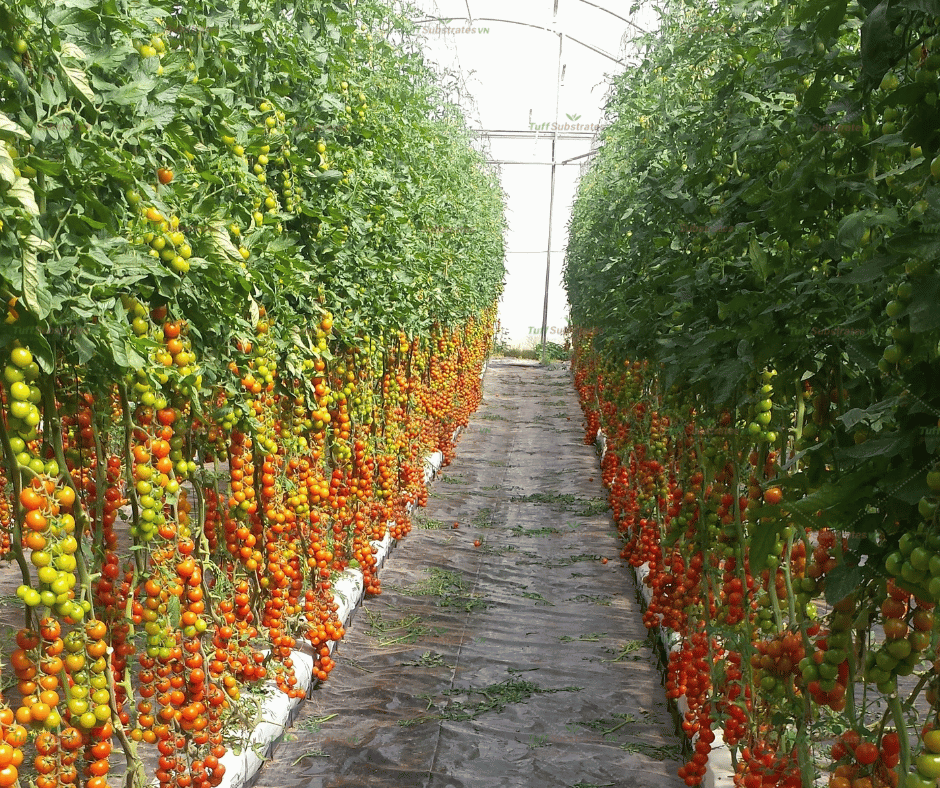
4. Fruiting and Climbing Vegetables
Suitable for cucumbers, melons, tomatoes, bell peppers, beans, and similar crops.
- 60% coco peat and fiber + 40% coconut chips
- Or 70% coco peat and fiber + 30% coconut chips
5. Ornamental and Landscape Plants
- 70% coco peat + 30% coconut fiber
- Or 80% coco peat + 20% coconut fiber
Additional coconut chips may be included depending on the plant’s aeration and drainage requirements.
These ratios are general recommendations and should be adjusted according to crop type and growing conditions.
Choose Quality Coco Peat from Tuff Vietnam
Tuff Vietnam manufactures and supplies a wide range of coco peat products suitable for different agricultural applications.
We provide growing media solutions for customers across Vietnam, along with consultation on coco peat selection, cultivation techniques, and plant care.
If you need assistance choosing the right growing medium, contact Tuff Vietnam for professional advice.